



Enter your email address to get each Tribune edition sent to your inbox
A Christchurch-based company will develop Southland’s first critical minerals production facility and has received $15 million from the Government to make it happen.
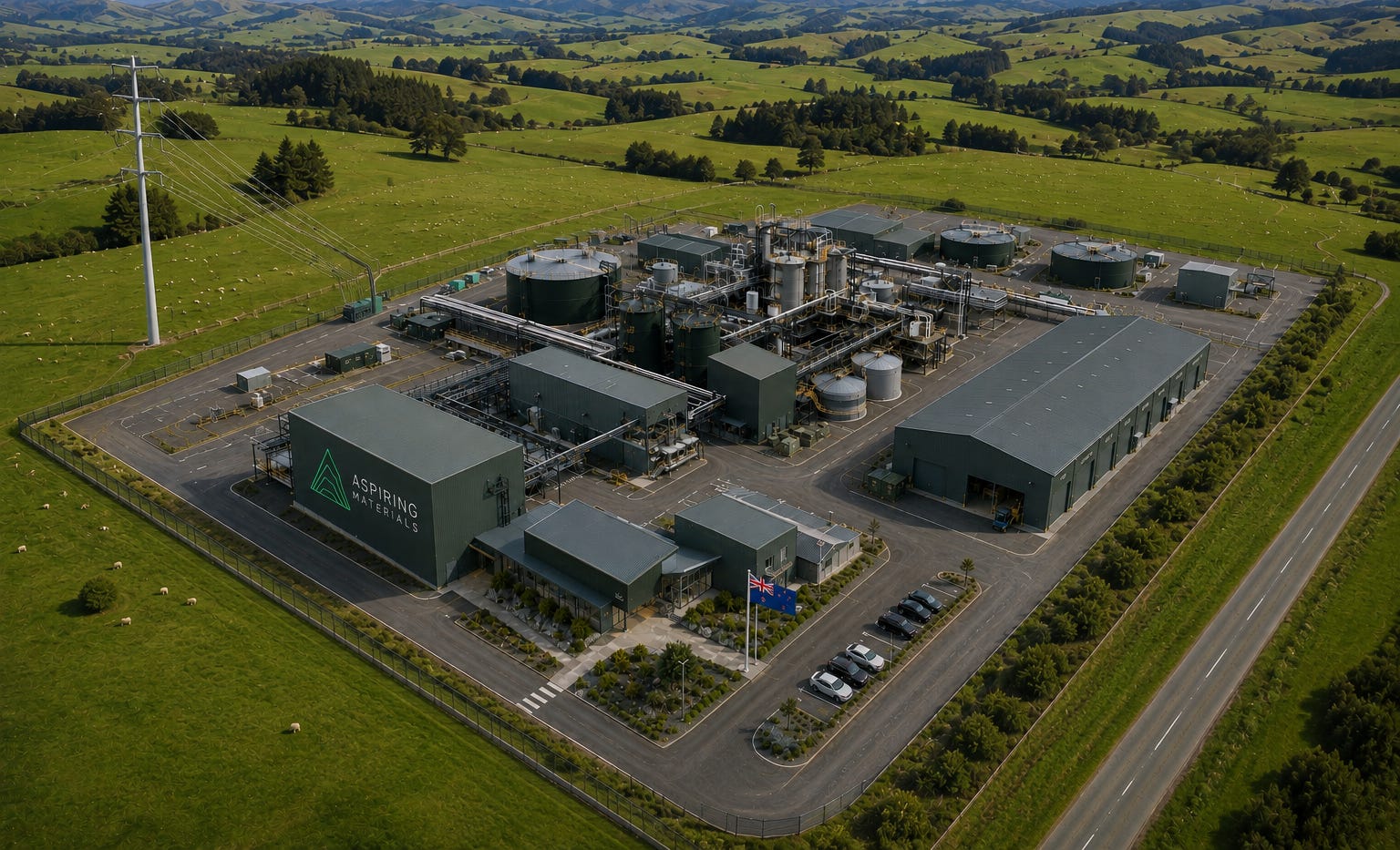
Aspiring Materials’ proposed $31m commercial-scale plant will produce critical minerals and essential materials from quarry waste, while generating 5000 tonnes of green hydrogen per annum as a by-product.
The Southland site location is expected to be confirmed in the coming months, with operations to commence in late 2028.
At full capacity, the facility will process 250,000 tonnes of olivine rock and create up to 200 full-time roles in the region.
These will include highly skilled chemical and mechanical engineering roles as well as logistics, trade and services jobs. Further employment will come from the construction of the plant.
Following on from the successful pilot plant in Christchurch, the public financing, along with private and venture capital, will fund the build of the major new facility.

Aspiring Materials’ Chief Executive Mark Chadderton said the Regional Infrastructure Fund allocation marked a major milestone for the company and is an investment in both clean technology and in powering up the Southland region, and the country.
“Southland had long been identified as the ideal location for our first commercial plant for its proximity to existing quarry operations and key industrial customers.
“It’s also home to some of New Zealand’s largest industrial sites and has strong existing domestic transport links and port facilities.
This is essential as we’re already seeing strong demand for our materials both locally, throughout the country, and from overseas,” Chadderton said.
“The plant’s products will strengthen domestic supply, boost New Zealand’s competitiveness in the critical mineral sector, and support a new generation of advanced manufacturing, particularly through clean technology.”
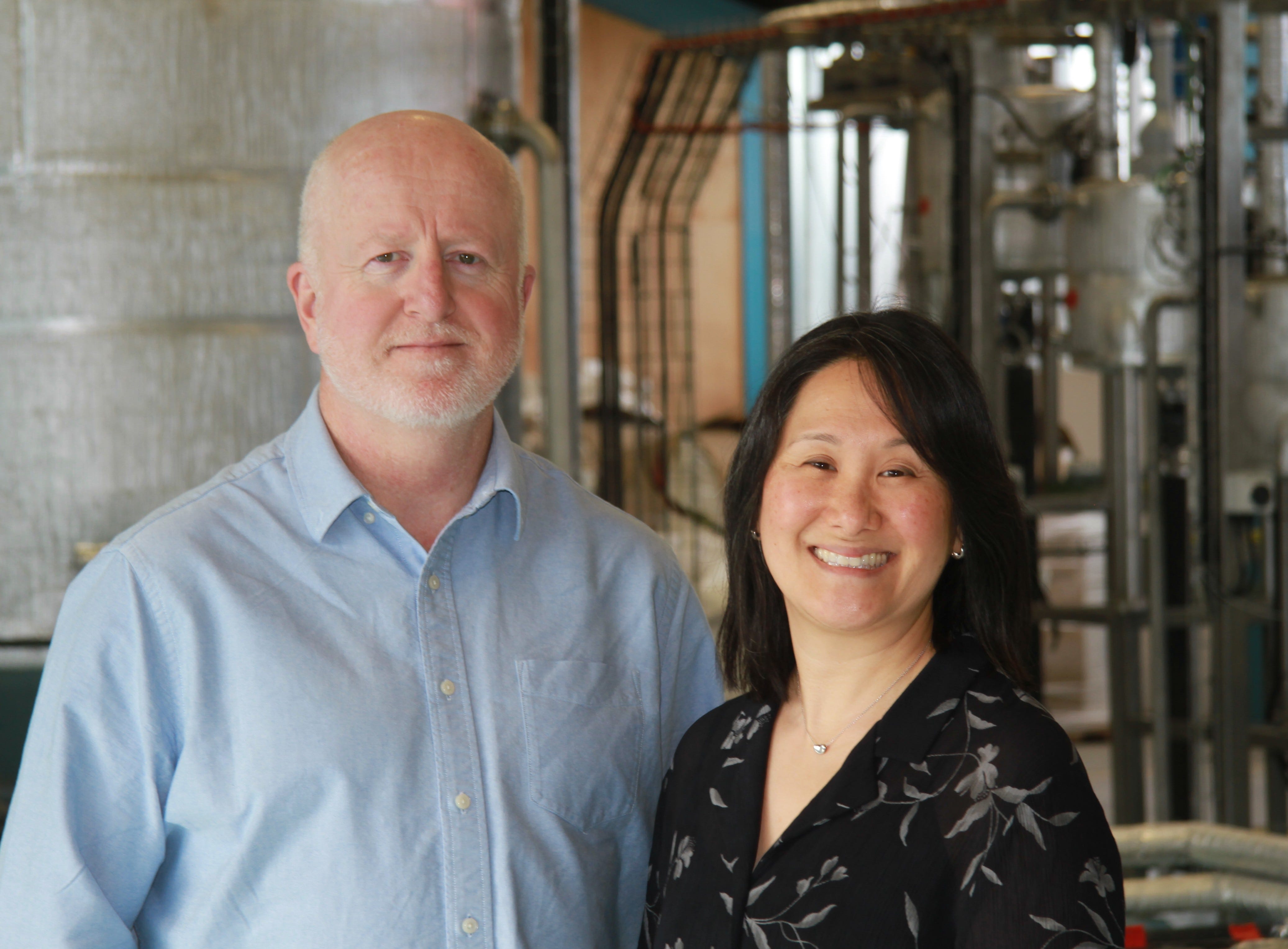
Aspiring Materials’ Chief Operating Officer, Kathy Izumi, is clear about this potential impact, especially given the country’s current reliance on imported materials.
“By producing these minerals locally, we’re not just improving resilience for existing industry and specific companies. We’re enabling entirely new ones,” Izumi said.
“Reliable access to critical minerals is a foundation for innovation, allowing New Zealand businesses to develop high-value, low-carbon products made for local conditions, without needing to source materials from volatile global supply chains.”
Aspiring Materials developed the Aspiring Process, a technology that originated from early research conducted by its founding team at the University of Canterbury.
The patented process produces critical minerals using olivine rock waste that is a byproduct of existing quarrying operations.
At full commercial scale, the facility will process 250,000 tonnes of olivine material each year, with 100 per cent of the rock used, no waste and near-zero emissions.
From the Aspiring Process magnesium, silica, and nickel hydroxide are extracted, which are materials essential across New Zealand’s primary, construction and energy sectors.
They are also increasingly important for emerging sectors such as aerospace and advanced materials.
Significantly, green hydrogen is also created through the process and will contribute to New Zealand’s transition to lower-emission fuels.
Something which has been on the radar for some considerable time and I commend the promotors and backers at the steps being taken to establish this important venture. Southland will embrace and support this important industry establishment I feel totally sure!
That's great to hear a positive ecconomical initiative & result for the Southland region.
Not too convinced on the Hydrogen by byproduct as the complete solution to more renewable energy resources but appreciate it will feed into a much smaller scale use for a particular sector of an industry that will benefit from that.
New Renewable Energy at a scale is what is required to keep up the increasing demand all of NZ needs.
The Makarewa Data Centre puts pressure on an existing energy resource infrastructure and this issue needs serious attention.
Energy production is major issue and Government needs to be driving this, Southland and all of NZ provinces need new renewable energy infrastructure now andi to the future.
Hydro generation is one way, and also new techology with Wind and perhaps Ocean Wave perhaps or dare I say it new Solar initiatives or small scale Nuclear options.